
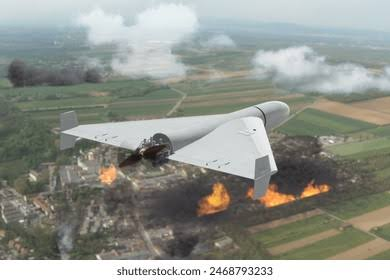
Drones and missiles wars in 2026
It’s not prophecy or fiction; it has already happened!
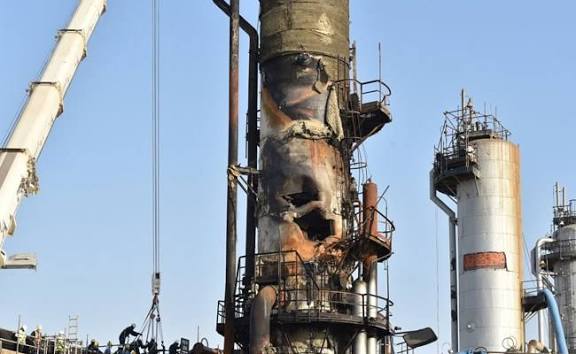
Houthi rebels attacked Saudi oil infrastructure using Iranian drones in 2019.
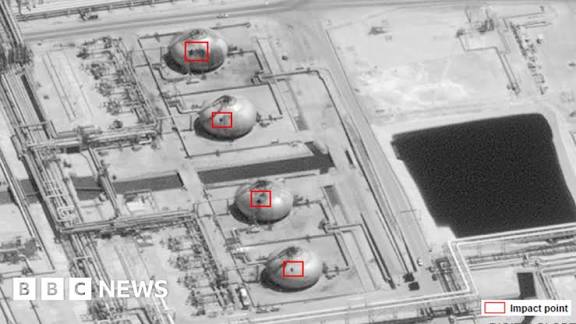
ARAMCO damages are estimated of more than 5 billion US dollars from Houthi rebels attacked Saudi in 2019

Azerbaijan
Armenia war in 2020 won by Israeli drones taking down entire radar network and anti-air infrastructure

Russia stumbles against Ukraine's anti-tank weapons

Russia Ukraine war has reverted to drones and missiles war

Russia stumbles against Ukraine's anti air weapons

Russia Ukraine war has reverted to drones and missiles war
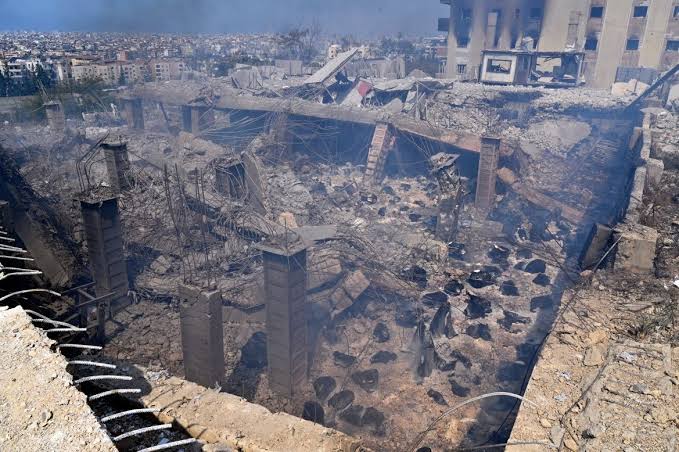
Israel defeats Iran
Hezbollah and Hamas thru air superiority and precise fire coordinated by attack and reconnaissance drones
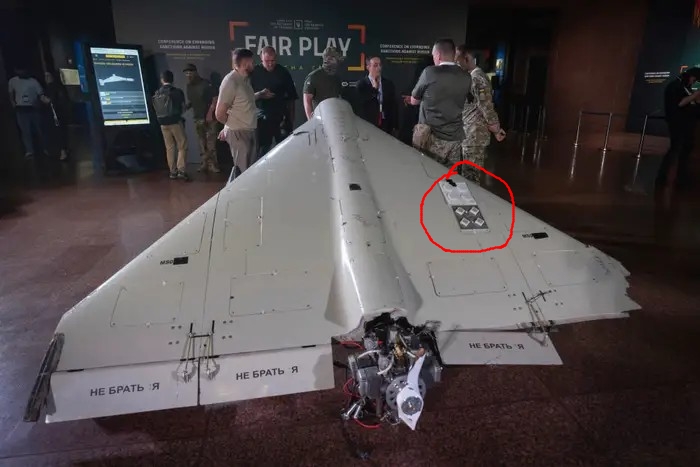
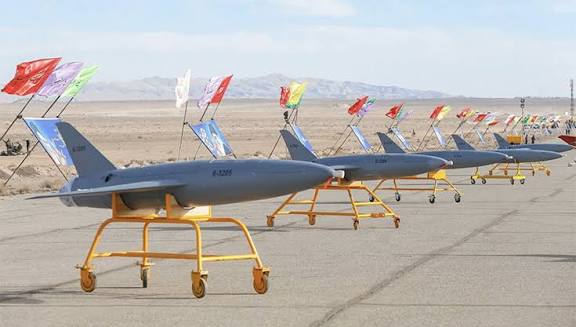
Iranian Shahed 136 manages to hit with precision thanks to
GPS navigation and 4 elements Anti Jam CRPA antenna

Russia buys Iranian Kamikaze drone - Shahed 136,
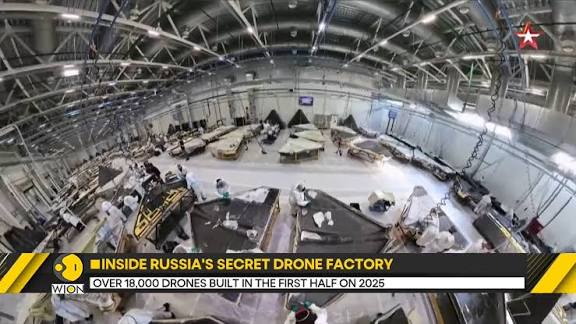
and later builds its own version in Russia – Geran 2

Russia widens usage of drones to hundreds per single attack
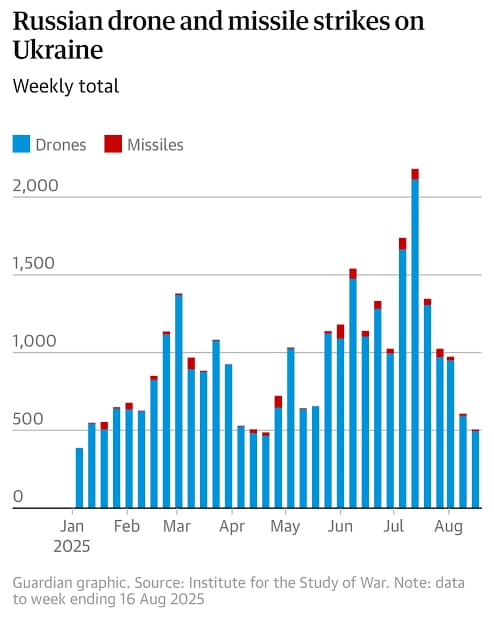
Russia widens usage of drones to hundreds per single attack, targeting energy and other Ukrainian infrastructures
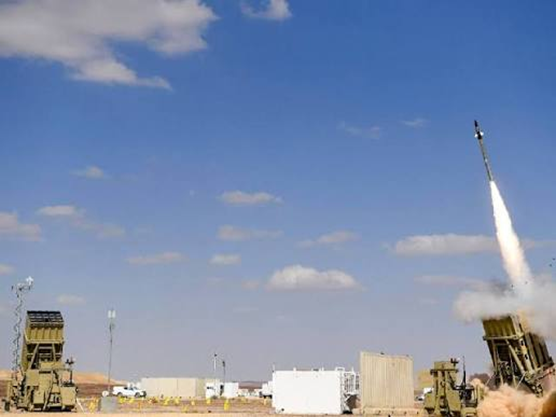
Iron Dome cannot down low flying drones

Hezbollah drones penetrate Israel's air defense and hits accurately many military targets and even Netanyahu's bedroom window
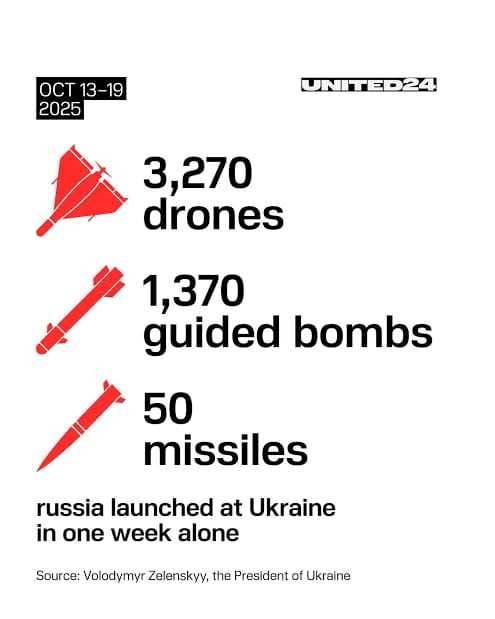
Recent numbers of precise guided munition used by Russia
Ukraine and Israel run out of anti-air missiles and ammunition
against drones and missiles
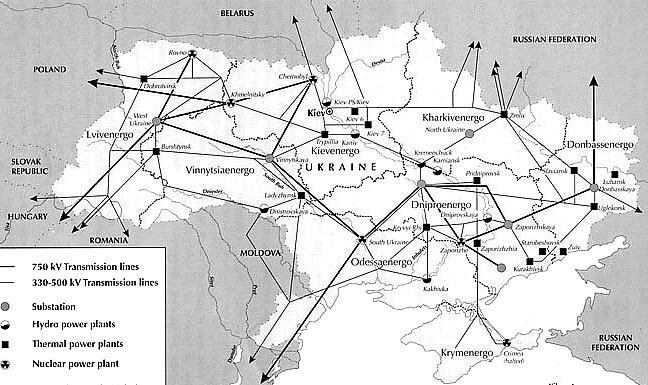
Ukraine loses most of its energy infrastructures to
drones and missiles attacks.

Israel loses its oil refinery and a main hospital to
precise missile hits by Iran
Lesson learned
Drones and missiles attacks are
way cheaper than defending them by hard kill methods.

Conclusion:
Without effective mitigating jamming of GPS, wars will be won by attackers with infinite quantity long-range low-cost GPS guided drones and missiles.
Electronic Protection of Infrastructure (EPI)
This is a solution of Last Line of Defense for any infrastructure against the above-mentioned threats, working independently or part of an anti-aircraft and/or an anti-missile defense system.
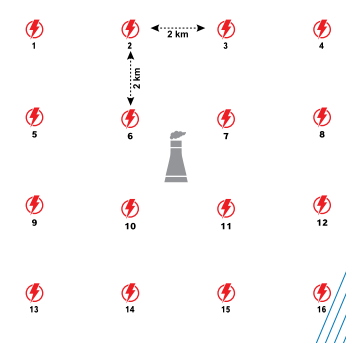
EPI - A Powerful Defense Against Precision Drone and Missile Attacks
The EPI system, patent pending, is a grid/grouped array of GNSS jammer units dispersed around critical civilian and military infrastructure, that creates a "minefield", with the purpose of preventing precise hit by long range GNSS guided munition.
The EPI system mitigates the threat's navigation accuracy in the last flight segment to its target (the infrastructure), as long as possible, by jamming GNSS signals all the way to the target and turning the threats from precise to statistic weapon, with the accuracy of the hit dropping from a few meters to many tens or hundreds of meters from the target.
These guided munitions include Smart bombs, Rockets, Ballistic missiles, Cruise Missiles and Armed UAVs, including mixtures and swarms of them, with warheads of tens and hundreds of kilograms of TNT and their ability to accurately strike critical infrastructures, such as energy facilities (electricity, gas/oil), seaports, airports, military installations, government buildings, etc.
Note: GNSS jamming equipment are included in the Wassenaar Munitions list as item ML 11. b: "Satellite navigation system jamming equipment and specially designed components". Therefore, as such its export is regulated by the exporting country, requiring a defense equipment export license.